Every winter brings the same calls: lacquer that will not harden, doors stuck together in the stack, a clear coat that went milky first thing in the morning. In almost every case the product is fine. The workshop is cold, and cold changes how every coating behaves.
What cold does to a coating
- Slower evaporation. Solvent and water leave the film more slowly, so it stays soft for longer.
- Slower curing. Two-pack acid-cured and PU lacquers cure by a chemical reaction, and that reaction slows down in the cold. Below the minimum on the data sheet, it may not complete properly at all.
- Thicker material. Cold lacquer is more viscous. It atomises less well and is tempting to over-thin.
- Blooming. Cold, damp air is the main cause of a milky haze on solvent lacquer. See why lacquer blooms in damp weather.
- Waterborne is most affected. Waterborne films need warmth to form properly, and dry very slowly in cold, damp air.
Heat for the drying time, not just the spraying
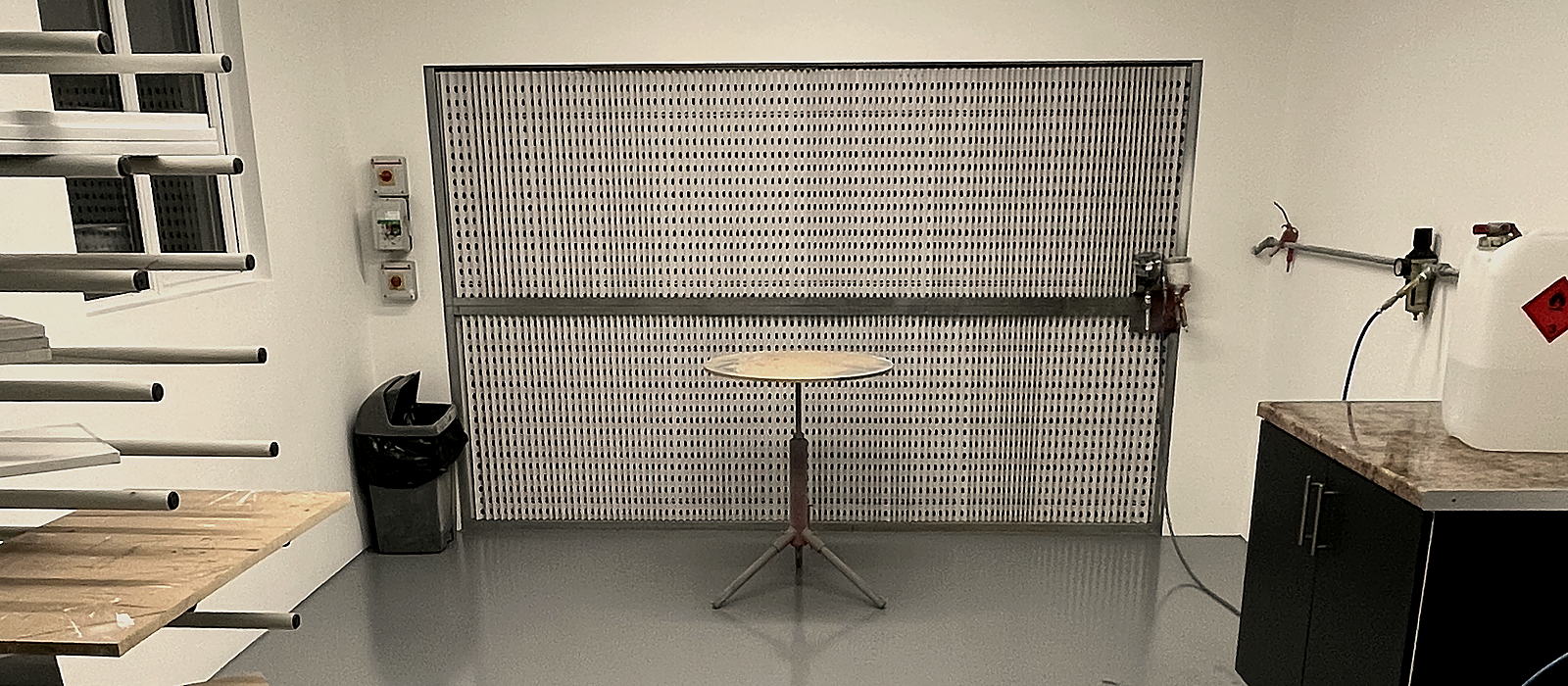
The most common winter mistake is heating the booth while spraying and turning the heat off when everyone goes home. The film then spends the night in a cold room and barely cures.
- Keep the drying area at a steady temperature for the full drying and curing time.
- Measure the temperature where the work dries, at panel height, not next to the heater.
- Avoid open-flame heaters in or near the spray area. Use heating that is suitable for a spray environment, and follow your fire and booth safety rules.
Bring the stock up to temperature
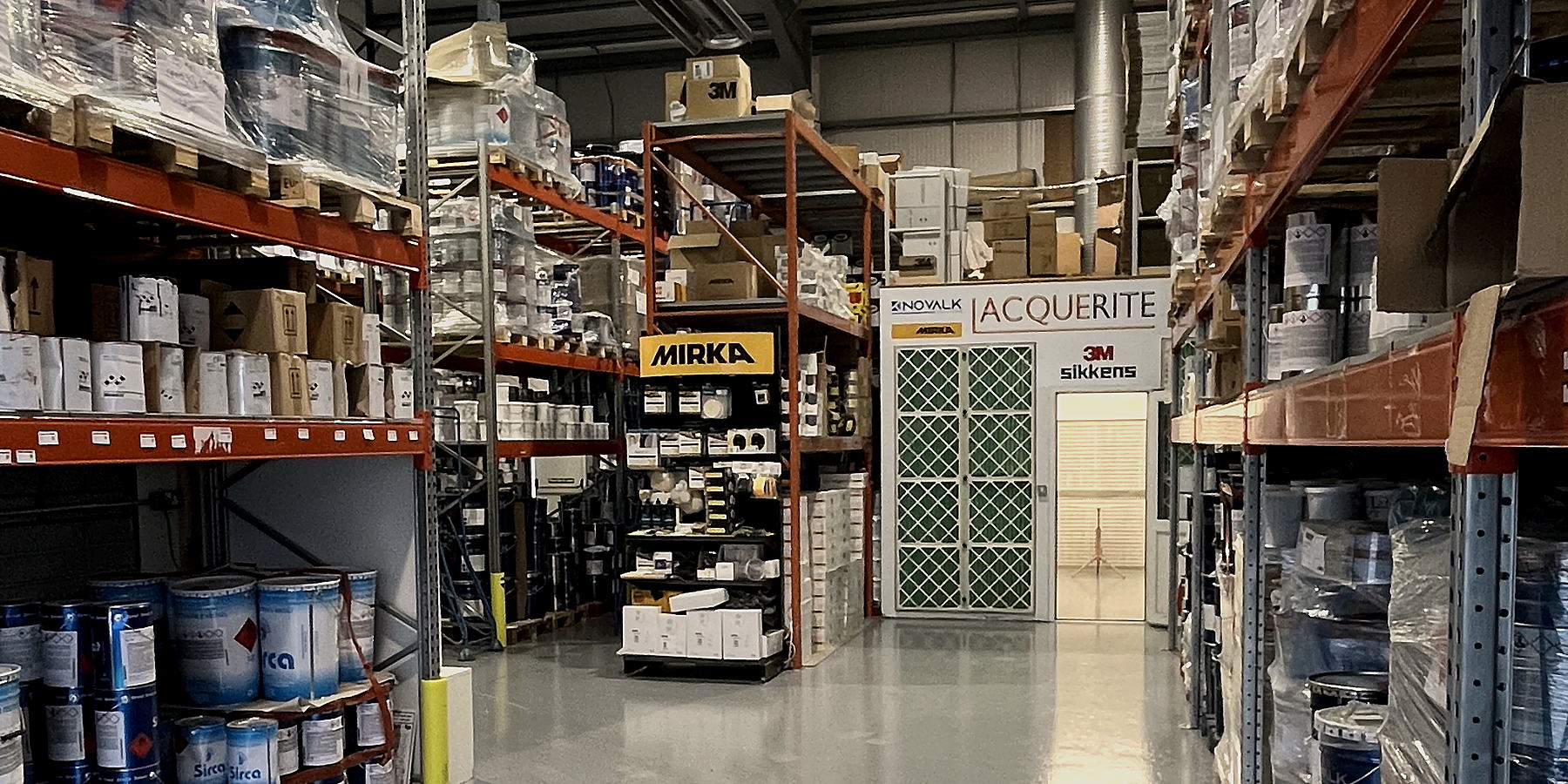
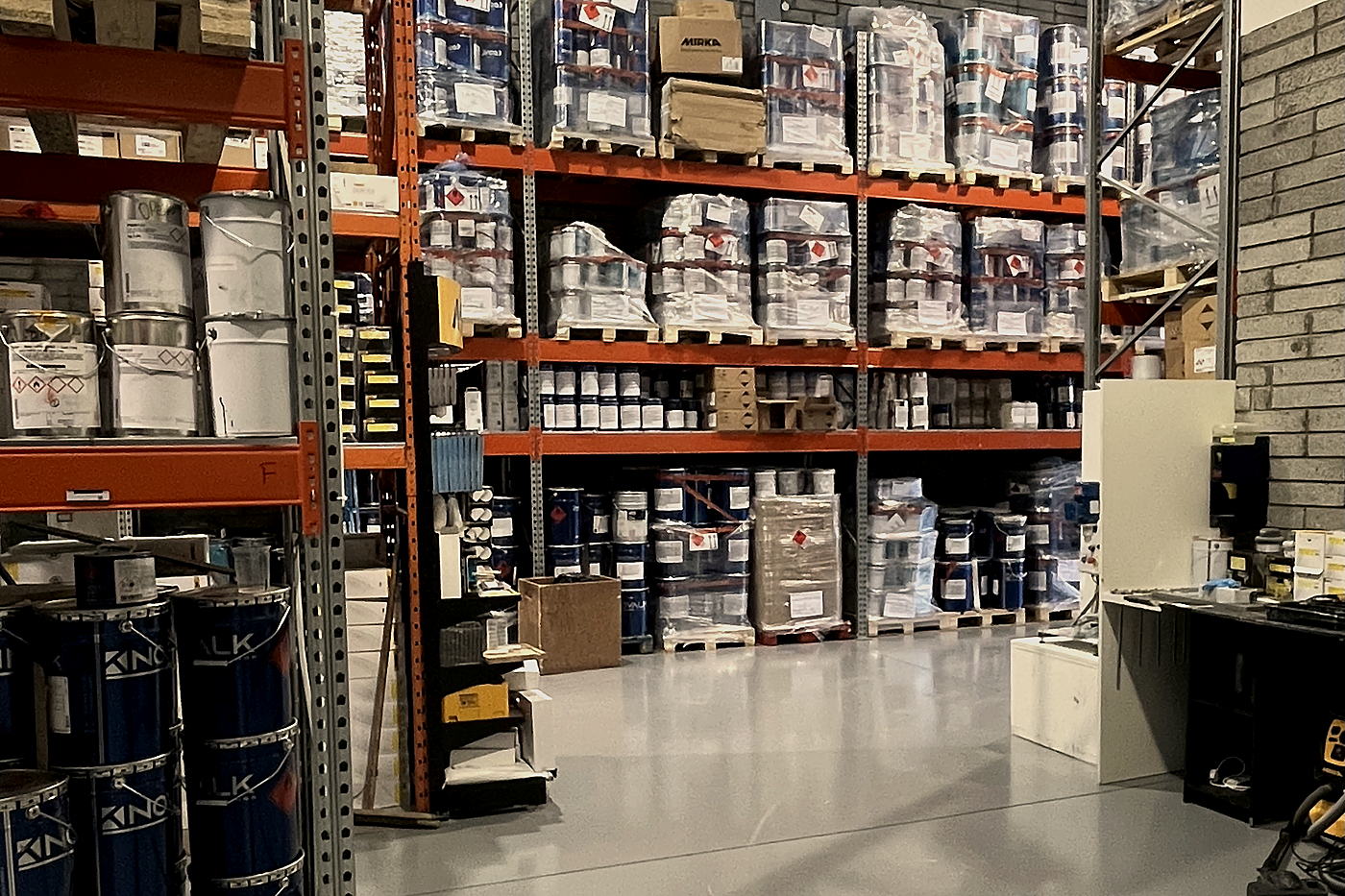
Tins stored in a cold store, a van or an unheated unit need time to warm through before they are sprayed. A 20 litre drum takes much longer than a 5 litre tin.
- Bring the next day’s tins into the heated area the day before.
- Never warm tins with direct heat or flames.
- Protect waterborne products from frost at all times. A frozen tin can look normal and still be ruined. Our guide to storing lacquer and paint covers this.
Do not fix cold with extra thinner
Cold lacquer feels thick, and adding thinner is the obvious response. Keep to the thinning range on the product sheet. Over-thinning lowers film build, increases runs and can affect sheen.
Where a faster cure is needed, use a thinner designed for that system. On Novalk pre-catalysed colours, ND5101 Special Thinners can replace ND4100 for faster curing. On acid-cured colours, ND5101 shortens the pot life to 24 hours, so mix only what you will use. Do not use a faster thinner from another chemistry.
Give it longer before handling and stacking
Drying and handling times on data sheets are written for normal workshop temperatures. In a cold workshop, everything takes longer.
- Sanding. Sanding a film that has not cured clogs the paper and drags the coating.
- Flipping. Turning a door to spray the second side too early can mark the first side.
- Stacking and wrapping. Doors that feel dry on the surface can still be soft underneath and stick together or take marks from packaging. Use spacers, and wait longer than you would in summer.
Plan winter production with that extra time built in, rather than finding out from a stack of stuck doors.
Order ahead of the weather
Couriers and site deliveries slow down in bad weather, and nobody wants to stop production for want of a catalyst. Keep a little more stock than usual over the winter, and see how to order so you do not run out mid-job. We deliver across Ireland in 24 to 48 hours from Tullamore: build a quote or call the counter.