
Insights and tips for managing paint.
Practical notes from the Tullamore counter: how to store lacquer, specify sheen, mix catalysts and keep a colour matching on the second batch. This is the living section of the site — new pieces go here.
15 articles
 Shop tips
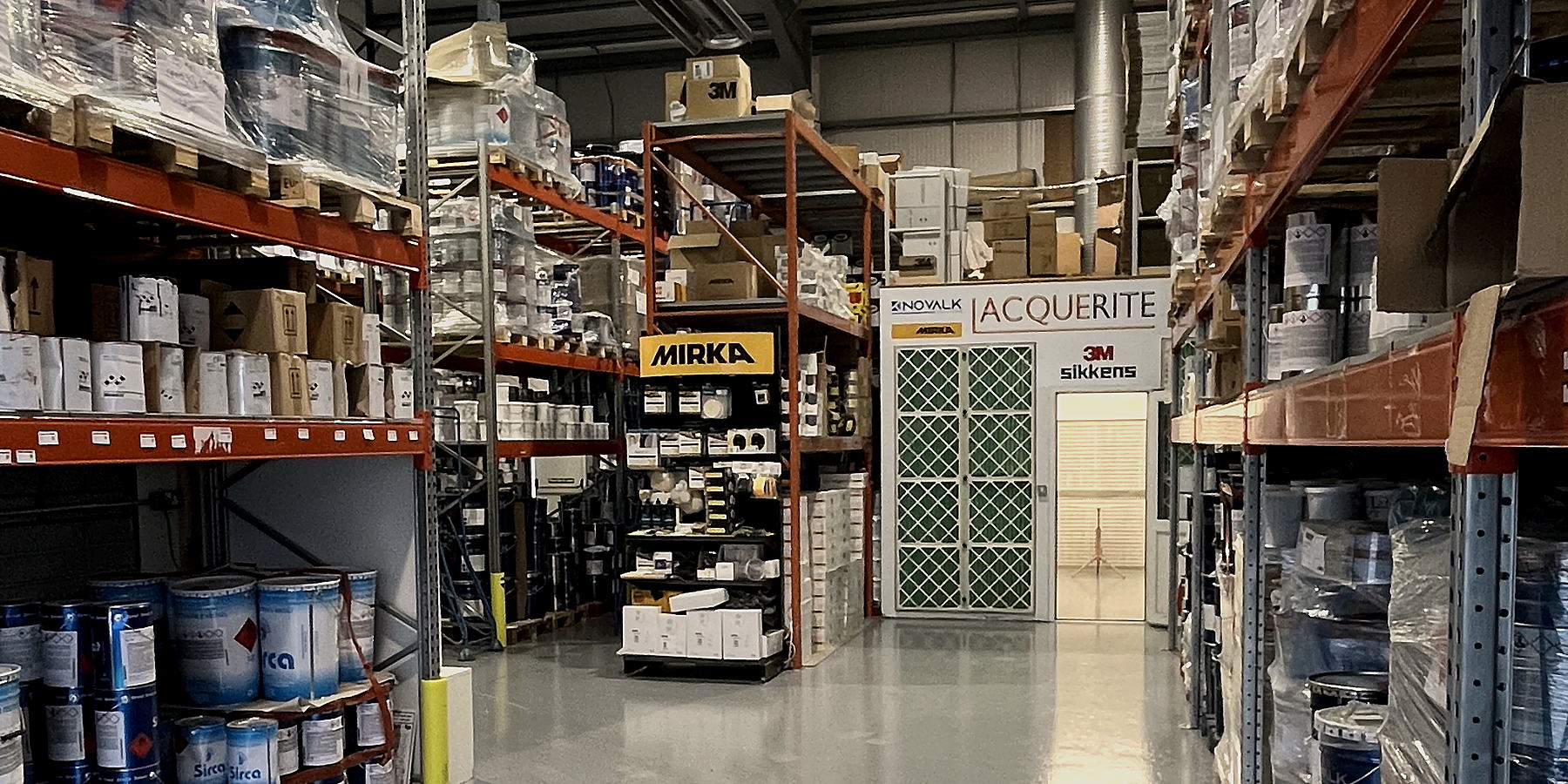
Spraying in a cold workshop: curing, heat and winter stock
In winter, lacquer that felt dry by lunchtime is still soft the next morning, and doors stacked too early stick together. Here is how to keep production moving when the workshop is cold.
 Insights
Coating metal and plastic: adhesion starts with preparation
Paint that peels off metal or plastic was rarely let down by the topcoat. It failed because the surface was not clean or keyed enough to hold it. Here is the preparation that works.
 Shop tips
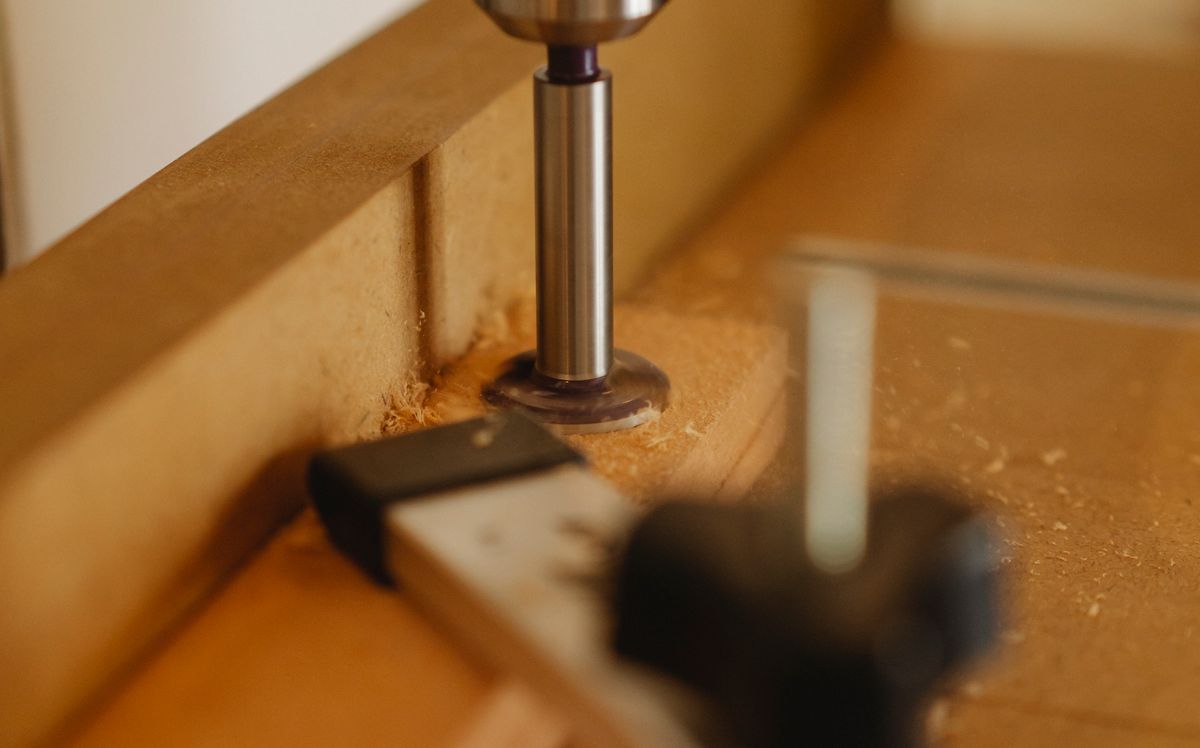
Priming and sealing MDF for a flawless painted finish
Flat MDF faces are easy. Machined edges and routed profiles are where painted MDF goes rough, sinks or shows fibres through the topcoat. It all comes down to the primer stage.
 Shop tips
Why lacquer blooms milky in damp weather, and how to stop it
A clear coat that dries with a white haze on a wet September morning is not a bad batch. It is water from the air, trapped in the film. Here is how to stop it.
 Insights
Kitchen re-spray: the trade process from degrease to topcoat
A re-sprayed kitchen is judged on adhesion and colour, and both are decided before the topcoat goes on. This is the process we see working for Irish re-spray companies.
Shop tips Coating exterior joinery before the Irish autumn
Exterior joinery fails at the joints and the end grain long before the face of the timber. Here is how to build a Sikkens system that lasts an Irish winter, and why late summer is the time to get it right.
 Insights
Acid-cured vs pre-catalysed vs PU lacquer: which system?
AC, PC and PU all spray well and all look good on day one. The difference shows up in a kitchen after a year of steam, cleaning sprays and hands. Here is how to choose.
 Shop tips
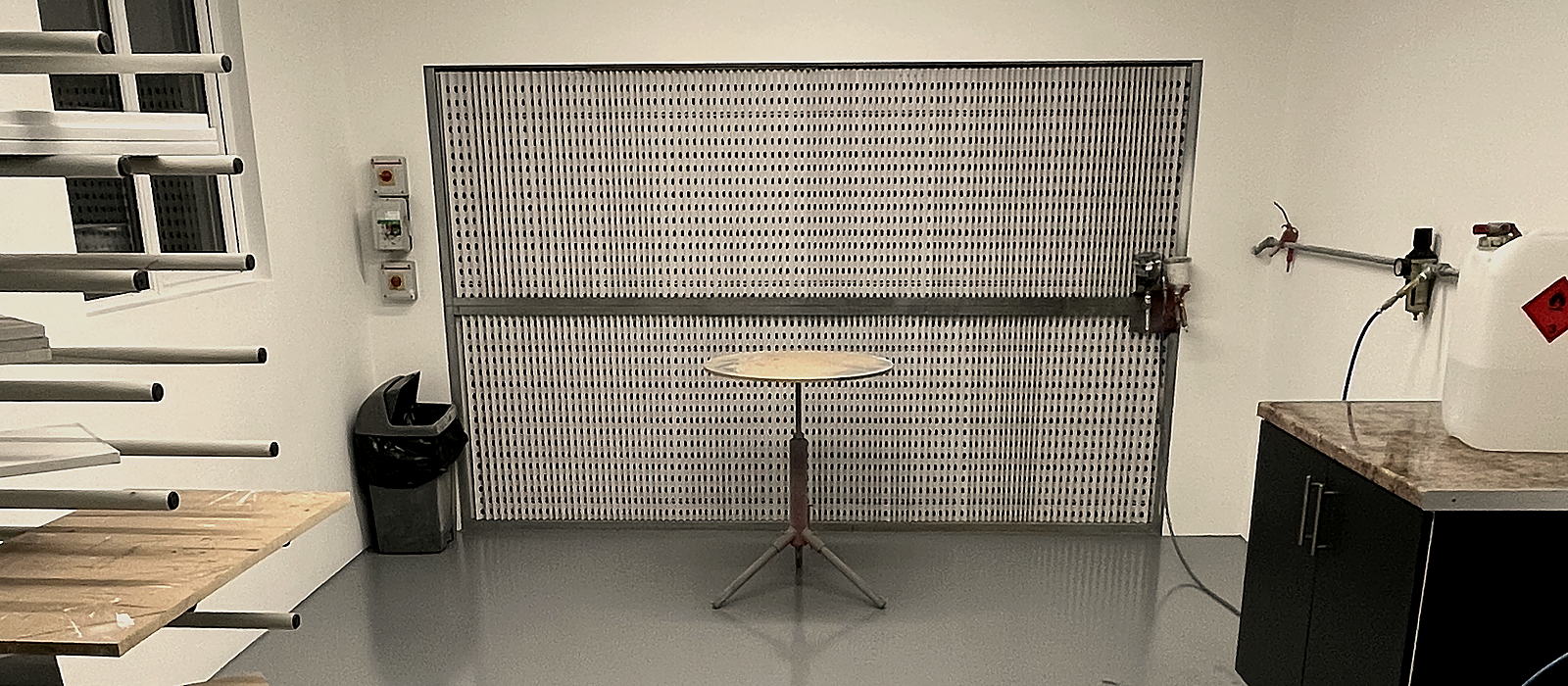
Spraying lacquer in hot weather without dry spray
A warm week turns a reliable lacquer into dry spray, pinholes and a pot that thickens before lunch. Here is how to keep the same system working when the booth heats up.
Shop tips Ordering paint so you do not run out mid-job
24–48 hour nationwide is the buffer. It is not a substitute for a cutting list. Matched colours and odd sheens need more notice than a stock matt sealer.
 Shop tips
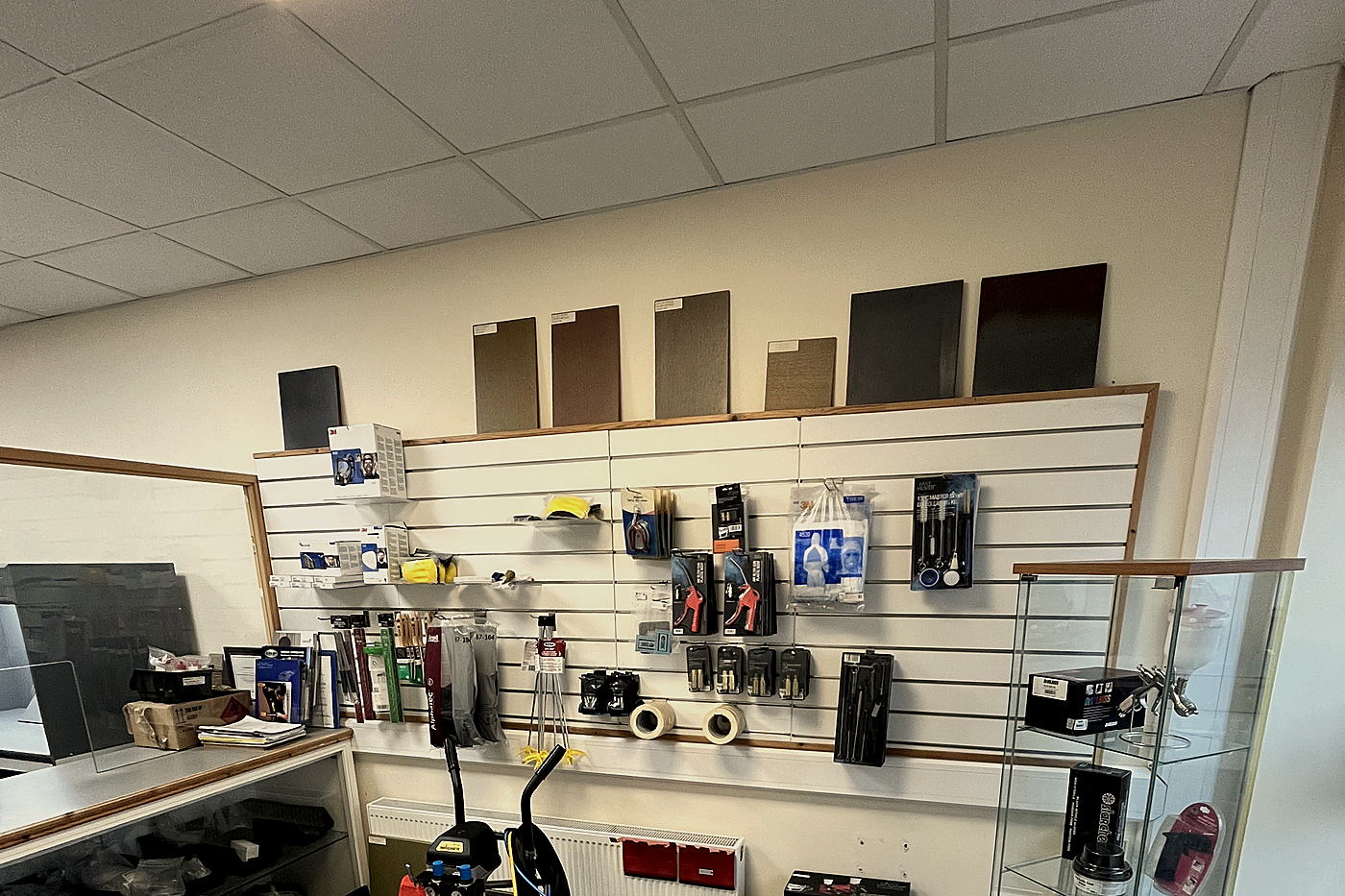
Colour matching that still matches on the second batch
A match is a formula plus a process. If the second batch is sprayed on a different primer, at a different sheen, or over a stain that was “close enough”, it will not look like the first door.
 Insights
Moving a solvent line across to waterborne lacquer
Waterborne is not solvent with the smell turned down. The gun, the room, the wash-up and the sample door all change. Switch a line, not a single tin, and match the colour on the system you will actually spray.
 Shop tips
Mixing catalysts, pot life and why you do not thin first
Most failed catalysed jobs are mixed wrong, thinned too early, or sprayed after the pot life. The tin already told you the ratio. The clock starts when the catalyst goes in.
Insights Choosing sheen: from dead matt to high gloss
Sheen is not a mood. It is a percentage, a viewing angle and a maintenance conversation. Specify it the way you order it: in writing, on the sample, before the doors leave the booth.
 Shop tips
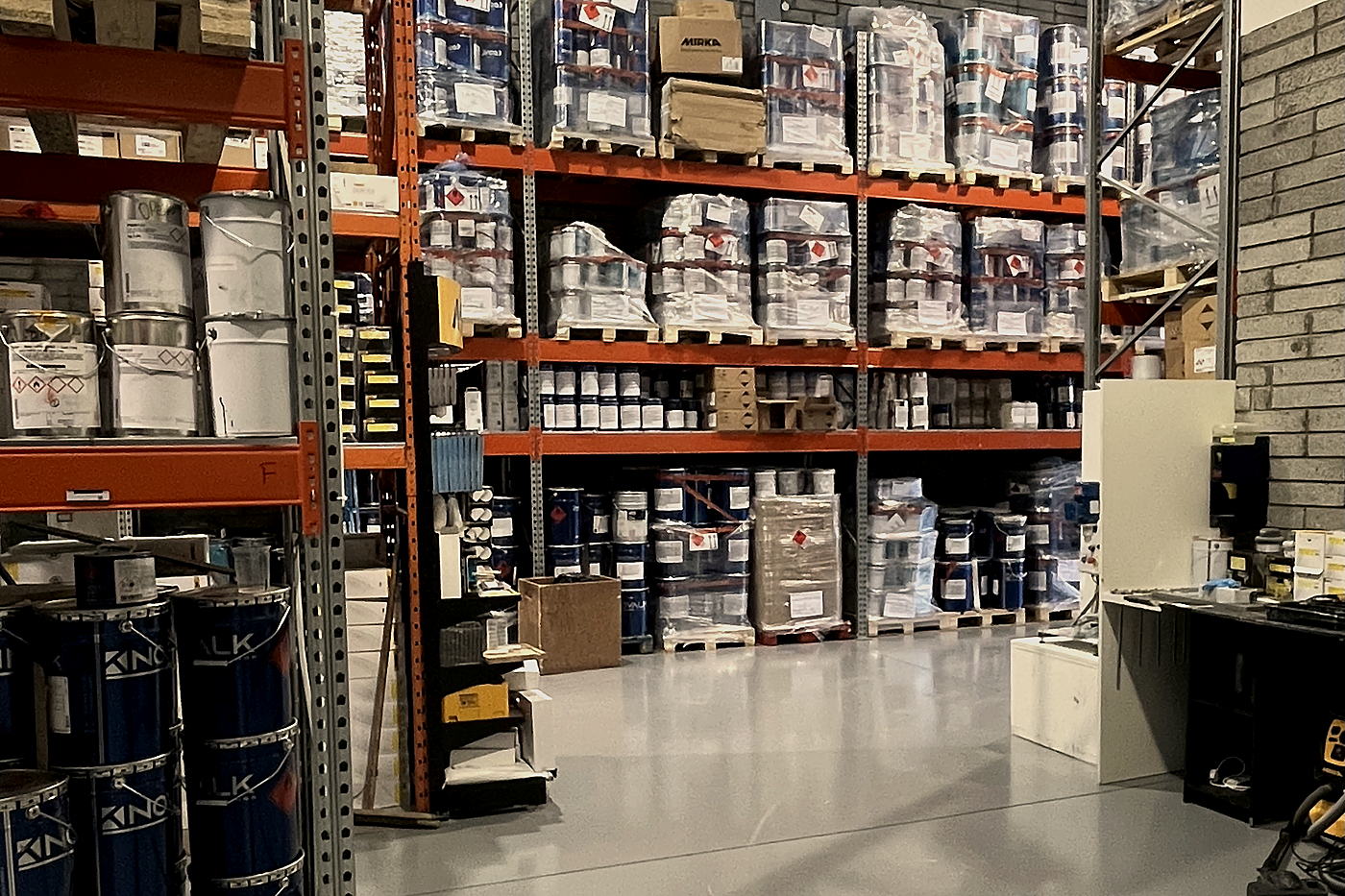
How to store lacquer and paint in an Irish workshop
Frost, heat and a tin left open over a bank holiday ruin more jobs than a bad gun. Here is how we tell trade accounts to store lacquer in a real Irish workshop.
 Compliance
Diisocyanate safe-handling training under REACH
If you spray catalysed PU or other diisocyanate products above 0.1%, your staff need documented REACH training. Lacquerite will tell you which tins are in scope. We will not train your team for you.
No articles in this section yet.
Need this applied to a live job?
The articles are the conversation we have on the counter. Call sales with the system, sheen and substrate.