From 24 August 2023, in accordance with the restriction of diisocyanates under REACH (published 4 August 2020 by the European Commission), all professional and industrial users of products containing diisocyanates are required to complete mandatory safe handling training.
The restriction lays down requirements for the use and placing on the market of diisocyanates as substances on their own, as a component of other substances or in mixtures for industrial and commercial uses in concentrations of more than 0.1% w/w. The intention is that workers across the EU are given relevant instructions on the safe handling of diisocyanate-containing products.
Who this applies to
As Lacquerite Ltd may be supplying you with products containing diisocyanates at a concentration of 0.1% w/w or above, this training obligation applies to all staff in your organisation that are working with these products or that are potentially exposed to them. From 24 August 2023 onwards you should be able to demonstrate that any employees working with, or potentially exposed to, these products have successfully completed this training in case of an inspection by authorities.
Hardeners that flag isocyanates include CTH31LM and CTN52. CTN52 also notes that adequate training is required before industrial or professional use. Sign in to download safety data sheets.
Which level of training applies
The restriction sets three levels of training, and the level depends on the activity, not the job title.
- General training applies to everyone who uses diisocyanate products or may be exposed to them.
- Intermediate training adds to that for open processing at room temperature, such as mixing, decanting and handling open containers.
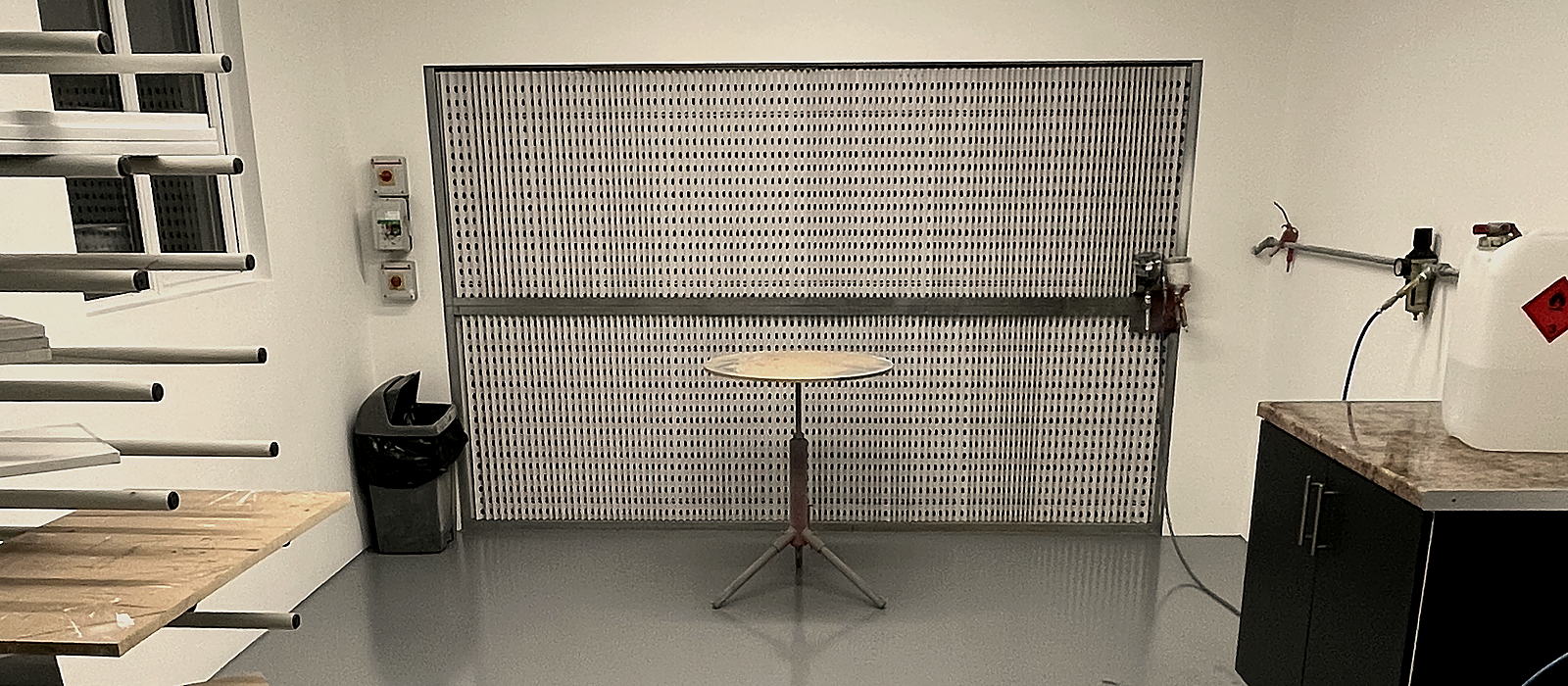
- Advanced training applies to higher-risk work, and spraying falls into this level. Anyone who sprays PU hardeners in a booth needs the advanced training.
Training must be renewed at least every five years. Keep a simple record of who has completed which level and when, so it is ready if an inspector asks.
Where this shows up in a spray shop
Polyurethane is the system most likely to bring diisocyanates into a workshop, because most PU hardeners contain them. If you are choosing between systems, our guide to acid-cured, pre-catalysed and PU lacquer explains where PU fits. It also matters for on-site work: re-spraying a kitchen in someone’s home with a PU system needs the same controls as the booth, as covered in the kitchen re-spray process. Mixing is part of the exposure too, so follow the catalyst and pot life guidance and the PPE on the safety data sheet.
What Lacquerite will and will not do
It is not the responsibility of Lacquerite Ltd to train your staff. As a responsible supplier we ask that you take notice of this restriction and the associated obligation. It is advisable to develop a training plan for affected staff and retain documentation of completed training.
Independent support is available at safeusediisocyanates.eu.
Sales can tell you which products on your usual order are in scope. Training remains your obligation. If you are unsure whether a mix on the bench contains diisocyanates, stop and read the SDS before you spray.